Countries
 USA
USA Spain
Spain
 Showroom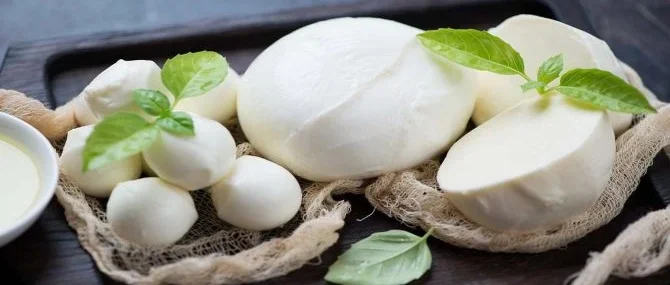
All Blogs
Fresh vs Low-Moisture Mozzarella: Which Should You Use?
Few would argue that mozzarella is the undisputed king of cheese when it comes to pizza. But not all mozzarella is created equal. In fact, all it takes is a quick Google search to find that there’s a whole world of different varieties of mozzarella, and you can quickly find yourself down a rabbit warren of information. Moisture content, milk type and preparation all affect how the mozzarella behaves on pizza as it cooks, so in this article, we aim to break down the key differences between the two main categories, fresh mozzarella and low-moisture mozzarella, so you can make the right choice for your pizza oven and the style of pizza you’re making.
Fresh Mozzarella
Fresh mozzarella is typically sold in brine, and has a soft, delicate texture and high watercontent. It’s the traditional choice for authentic Neapolitan style pizza, but it does require the correct preparation to perform well in a pizza oven. The mistake a lot of people make is using fresh mozzarella directly out of the packaging, which can lead to pooling on top of the pizza and a soggy dough.
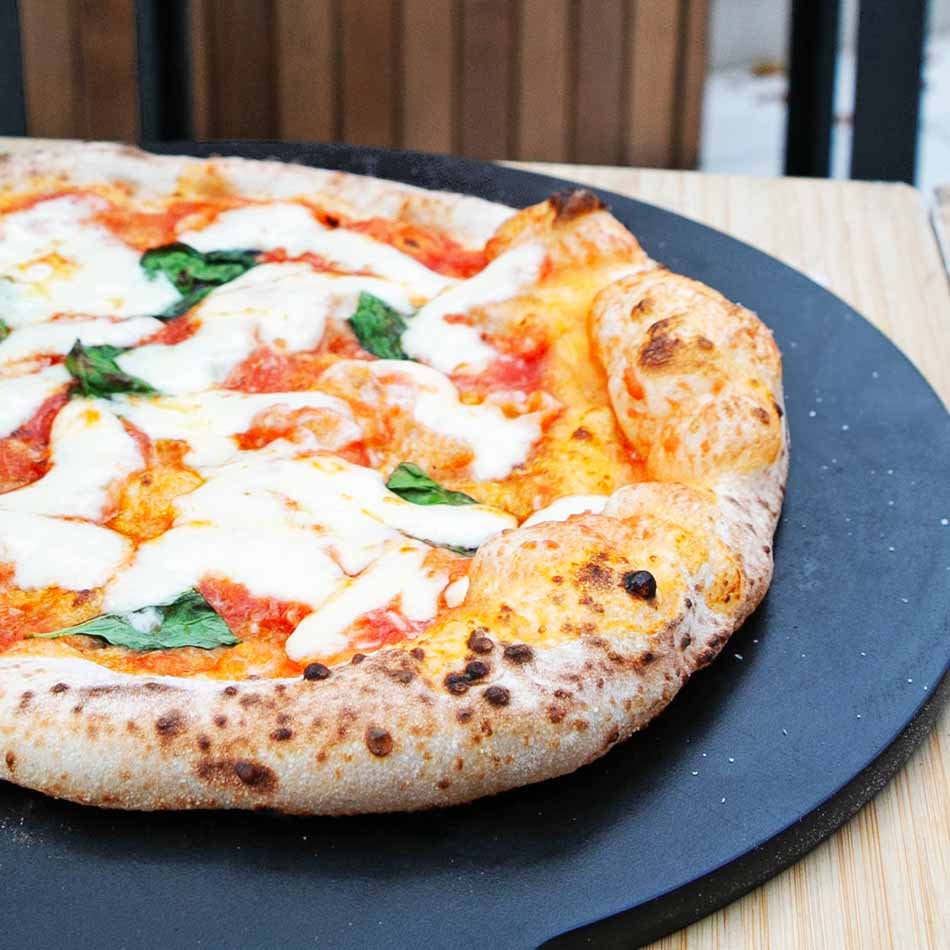
The most commonly used fresh mozzarella for pizza is fior di latte which is made from cow’s milk. It has a clean, milky flavour and a slightly firmer texture than buffalo mozzarella. Another key distinction is that it’s less watery than buffalo mozzarella, and it melts beautifullywhich makes it the ideal choice for the rapid cooking of pizza.

Mozzarella di bufala is, of course, made from buffalo milk and tends to have a higher fat content and a slightly richer, tangier flavour than fior di latte. It does howeve,r have a higher water content which releases when heated. It’s a great choice, therefore, to add after the pizza is cooked, which gives a creamy richness to the finished pizza, without the issue of making the dough soggy as it cooks.
Whichever variety of fresh mozzarella you choose, it’s vital to fully drain and dry it out before using. Slicing it in advance and leaving it uncovered in the fridge for several hours, or even overnight, helps to reduce excess moisture too.
Low-Moisture Mozzarella
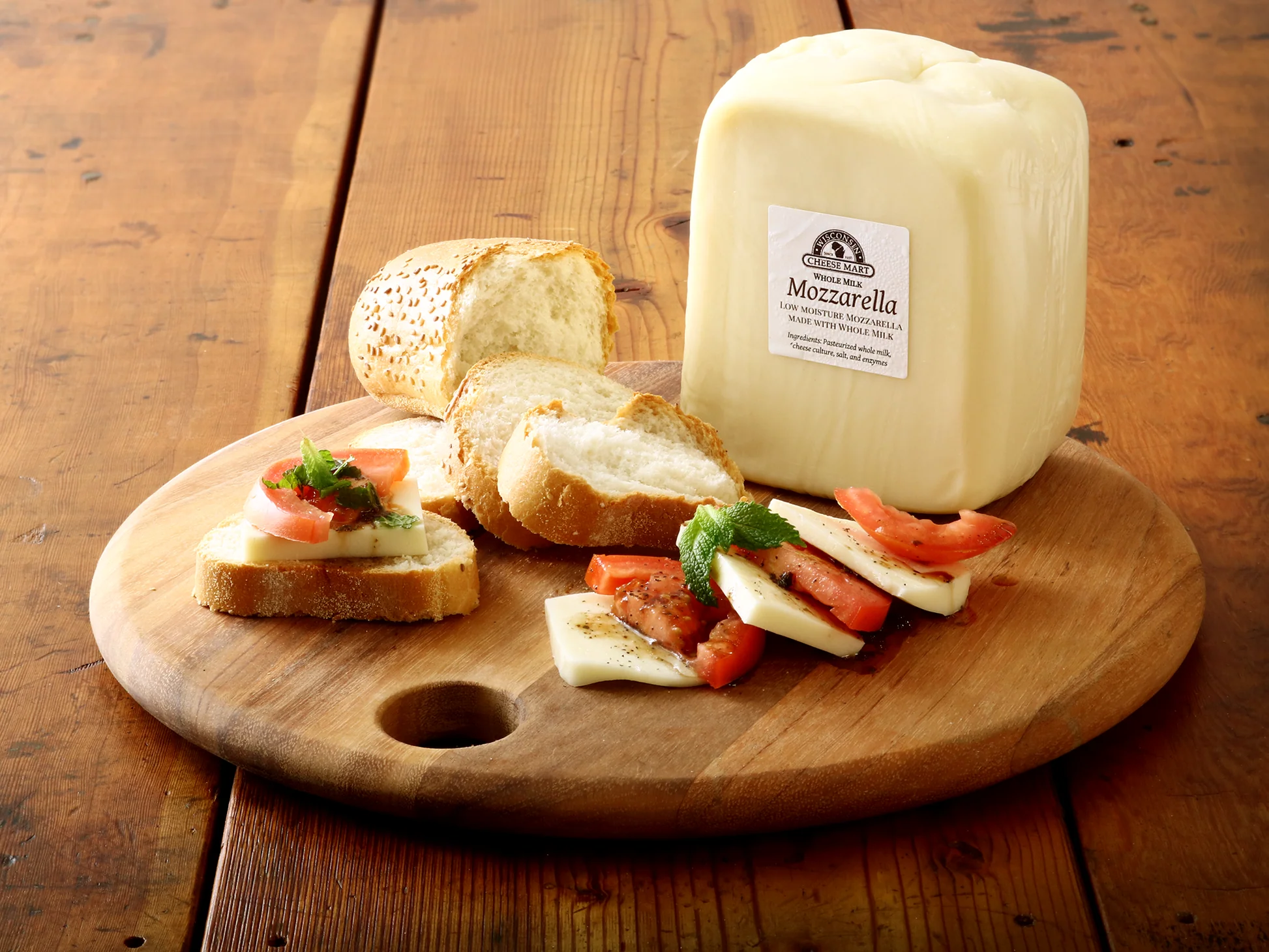
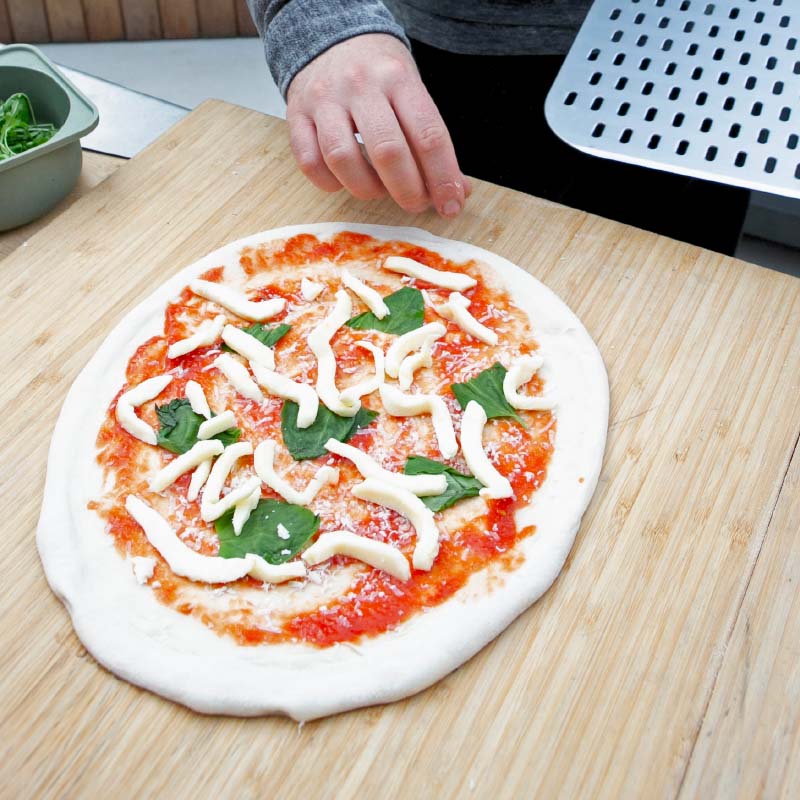
In a world of convenience, low-moisture mozzarella ticks all the boxes. It’s firmer, dryer and specifically designed to melt consistently, without the worry of moisture making your pizza soggy and forming pooling. It’s usually sold in blocks or even pre-grated. We urge you not to get the pre-grated stuff though as it’s usually treated with an anti-caking agent to stop it sticking and clumping together. It’s far better to just slice the block of mozzarella into julienne-style strips, which allow it to melt easily and give a more sporadic, traditional finish to the pizza, rather than a uniform layer of cheese you might associate with a takeaway pizza.
If you’re new to the world of making pizza, perhaps starting out with low-moisture would be the best option as it tends to be more forgiving. It provides reliability, structure and excellent melt without the need for careful draining or moisture management.
Choosing the Right Mozzarella
Your oven plays a bigger role than what you might think when it comes to choosing which mozzarella to use. If you’ve got a larger, tabletop oven that’s capable of reaching consistently high temperatures of 450°C, for example, a Gozney Dome (Gen 2), Igneus Classico, or Clementi Original 80×60, properly drained fior di latte works beautifully. Any moisture that’s in the cheese evaporates quickly at high temperatures, even during a short cook. Even buffalo mozzarella can work, but it does demand a little more care and attention in terms of drying out the cheese prior to cooking.
If you’ve got a smaller oven, such as a smaller, portable pizza oven, although capable of reaching the same high temperatures as a tabletop oven, these temperatures tend not to be as consistent, and you might often find yourself launching a pizza into the oven at a slightly lower than ideal operating temperature. This can lead to problems if using fresh mozzarella, so low-moisture mozzarella is often the safer choice. It’s more stable and less likely to release water into the middle of the pizza.
You can even take a hybrid approach, combining low-moisture mozzarella for structure and stretch with small pieces of fresh fior di latte for flavour and creaminess. It’s all about experimenting to find what works best for you and your pizza oven.
Final Thoughts
There isn’t one “correct” mozzarella for pizza, and it often comes down to your oven, your style and your preference. Fior di latte is widely used for authentic Neapolitan pizza; low-moisture mozzarella offers consistency and reliability, and buffalo mozzarella delivers richness when handled carefully.
Understanding how different varieties of mozzarella affect the cook on pizza is often overlooked, but really, it’s just as important as mastering dough hydration and fire management.
We really hope you’ve found this article useful. If you’re just starting out on your pizza journey or trying to hone your craft, you’re in the right place for help and advice. Don’t forget to tag @the_pizza_oven_shop in your creations on Instagram and Facebook.