Countries
 USA
USA Spain
Spain
 Showroom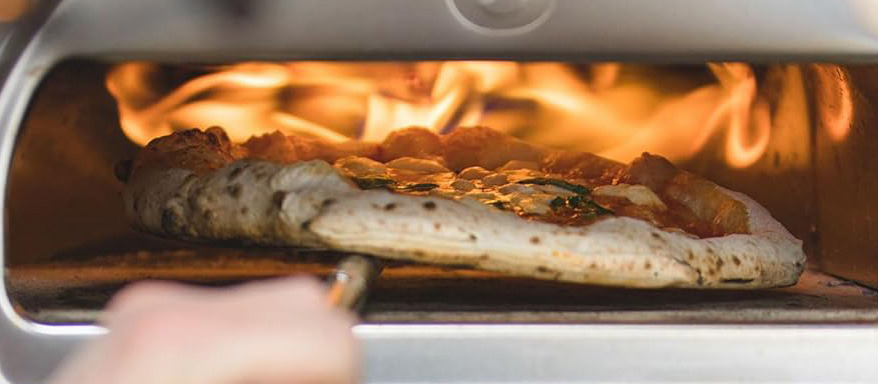
All Blogs
Why Your Pizza Crust Burns Before the Toppings Cook
One of the most common challenges people who are new to making pizza face is getting the temperature and timing working in harmony in order to create perfect pizza. There are few things more disappointing than launching a pizza into your pizza oven, only to discover that the crust or undercarriage has burnt before the cheese has melted and the toppings have fully cooked.
The good news is, the problem tends not to be the oven itself, or even the dough or even your chosen toppings. In fact, most of the time it boils down to temperature management and technique that can easily be adjusted. Understanding why your dough is burning before the toppings cook is the first step towards producing consistently great results, so read on to find out more!
Your Stone Temperature Is Too Hot
Most pizza ovens have a temperature gauge which gives you a fairly accurate reading of the ambient temperature of the oven. However, what most of those gauges fail to read (with the exception of the Gozney Dome Gen 2) is the stone temperature, which actually has the greatest influence on how quickly the bottom of the pizza cooks.
If the stone temperature is excessively hot, the undercarriage of the pizza can burn in a matter of seconds. This usually happens when the oven has been heating for a long period or when fresh fuel has recently been added to a wood-fired oven. For this reason, we always recommend infrared thermometers, which accurately assess the exact temperature of the stone prior to launching the pizza. As a rule of thumb, the ideal temperature of the stone should be around 350°C for launching pizza.
Your Dough and Preparation
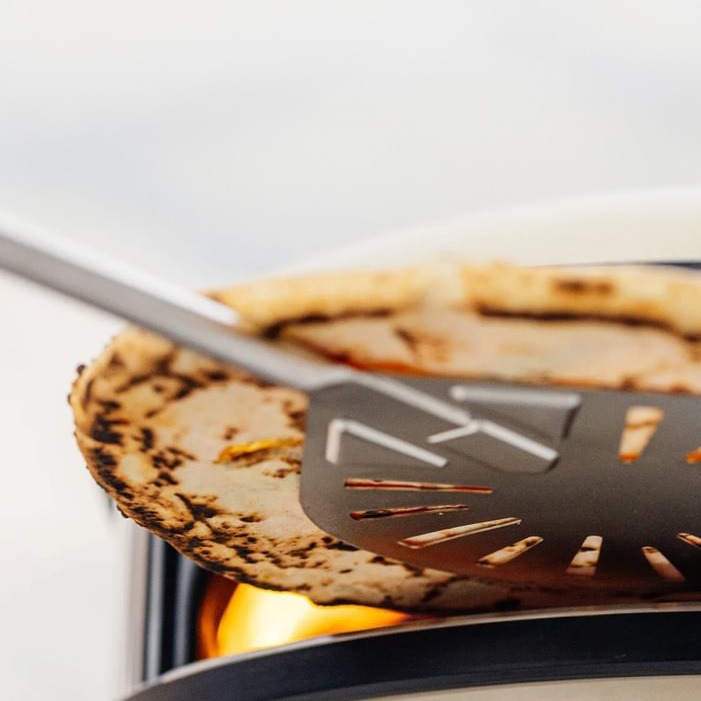
We mentioned above that technique can have an impact in terms of how easily the dough can burn. One of the most common reasons is excess flour on the underside of the pizza. While flour is useful for preventing sticking during stretching and launching, any excess quickly burns when it comes into contact with a hot stone. This can create a bitter taste and make the base appear burnt long before the pizza itself is cooked. A good way to prevent this is to use a perforated peel when launching the pizza. These allow most of the excess flour to fall through the perforations rather than sticking to the dough. It’s also good practice to give the peel a little shake just before launching.
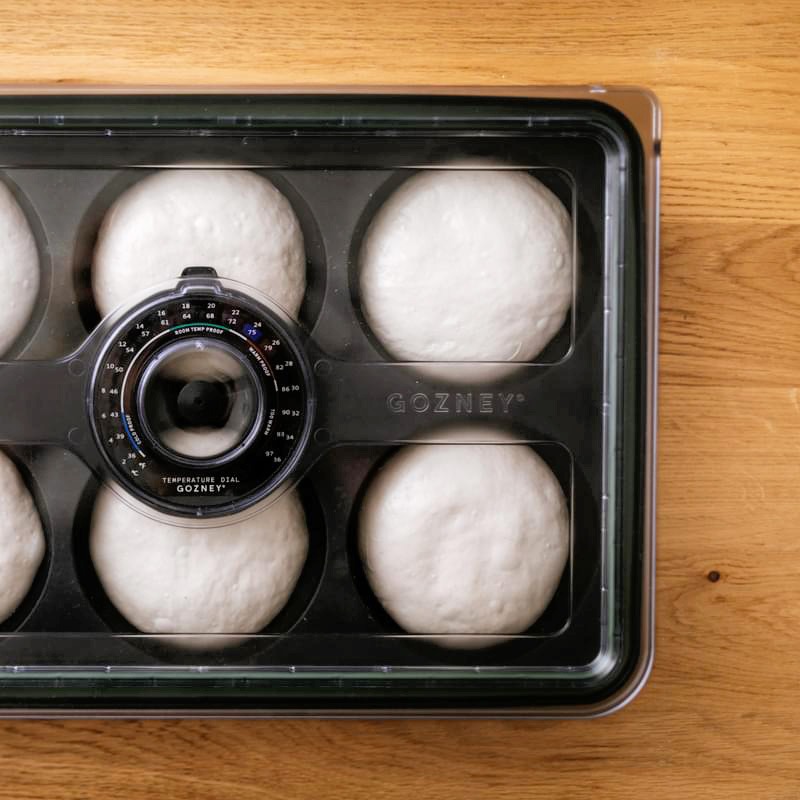
Another reason dough can burn too quickly is the ingredients used within the recipe. For example, ingredients such as sugar, honey, or excessive amounts of olive oil found in some recipes can caramelise rapidly at pizza oven temperatures. If you’re finding your dough is burning before your toppings have had a chance to cook, it might be worth reverting to a more traditional Neapolitan dough recipe, which tends to use very simple ingredients and rely on fermentation to develop flavour rather than added sugars.
Temperature Management & Cooking Technique
Even with the perfect dough and stone temperature, cooking technique still plays a major role in preventing burnt crusts.
Positioning the pizza too close to the fire can cause one side to char excessively while the centre remains undercooked. Also, failing to rotate the pizza regularly allows one section to absorb far more heat than the other. Turning the pizza every 15 to 20 seconds with a turning peel helps ensure an even cook.
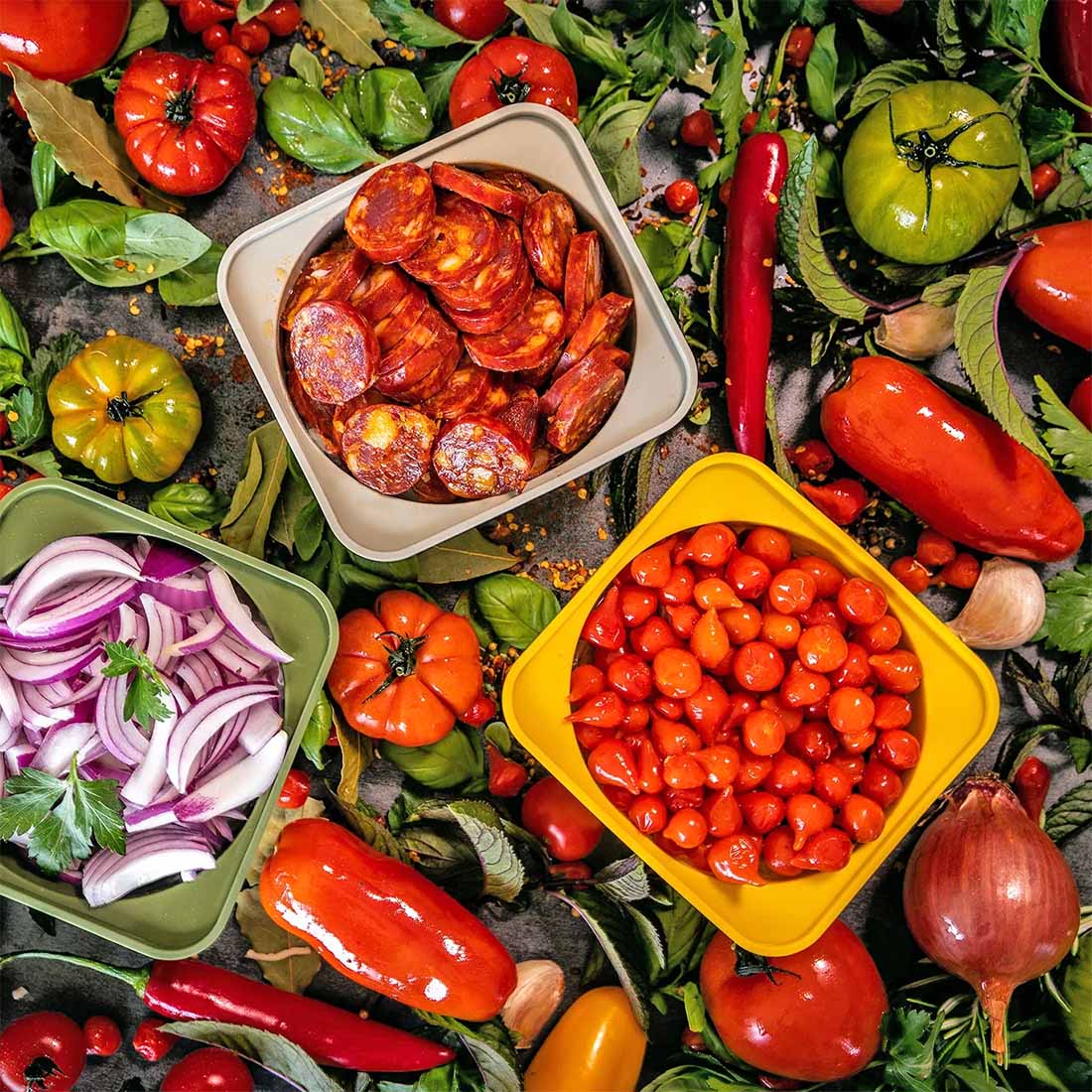
For gas-fired pizza ovens, lowering the flame after launching can also help create a more balanced cooking environment. This gives the toppings more time to cook without exposing the crust to excessive direct heat. This is especially useful when using toppings that have a naturally higher water content, for example, mushrooms, fresh tomatoes and peppers. In order for those kinds of ingredients to cook and char, they first have to release their water content, which in turn allows the natural sugars to caramelise. One way to speed this up is to cook off those ingredients first before topping the pizza. This allows those ‘wetter’ ingredients to caramelise in the same time as it takes dough to cook.
Final Thoughts
It’s worth remembering that not all dark spots on dough are a problem. Authentic Neapolitan pizzas often feature small patches of charring, known as leopard spotting, which are considered a sign of a well-cooked pizza. However, if your pizza crust burns before the toppings cook, the solution is usually a combination of better temperature management, improved preparation, and refining your cooking technique through practice.
By following some of our tips mentioned throughout this article, you’ll be well on your way to making perfect pizza in no time at all.
If you’d like to learn more about the range of pizza ovens and accessories we sell here at The Pizza Oven Shop, or have any questions you need answering, our friendly team is here to help. You can reach us via our social channels, give us a call on 01423 608648, or drop us an email at sales@thepizzaovenshop.com.