Countries
 USA
USA Spain
Spain
 Showroom
All Blogs
Does Cold Fermentation Make Better Pizza?
If you’ve ever experimented with making your own pizza dough, or if you’ve just started researching recipes, techniques and processes, you might well have come across different methods of fermentation, each claiming to deliver the best results in terms of the final product. When it comes to fermentation, there are two main schools of thought: cold fermentation and room temperature fermentation. Many people claim that cold fermentation leads to better flavour, improved texture, and even easier digestion. But does it really make a noticeable difference compared to recipes that call on a room-temperature method? Read on to find out.
What Is Cold Fermentation?
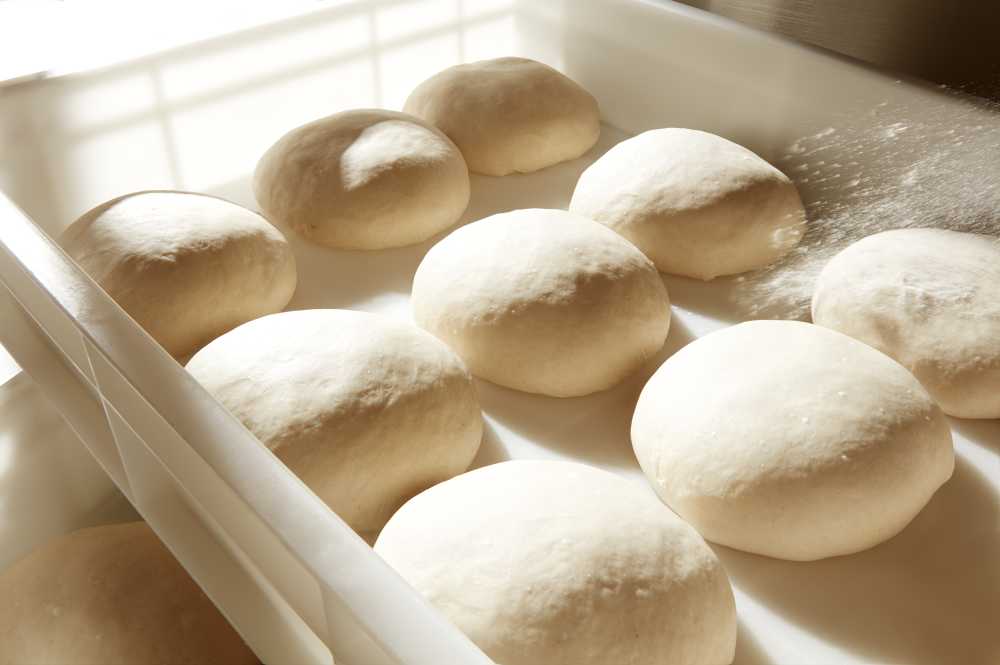
Cold fermentation is essentially the process used to slow yeast activity and extend the fermentation process over 24 to 72 hours, usually in an environment of between 2-5°C, i.e. in the fridge. While yeast gets to work more slowly in colder environments, it doesn’t stop altogether. This means the enzymes that are naturally in the flour continue to break down starches into sugars, but at a slower rate. The result of this more gradual breakdown is greater depth of flavour within the dough and a more robust structure.
The importance of that robust structure cannot be overlooked. Doughs made using the cold fermentation method tend to be more elastic and easier to stretch without suffering tears. From a practical point of few, they also offer greater control over timings as you can make the dough well in advance of when you need it and basically set it aside in the fridge and let the magic happen.

The Benefits of Cold Fermentation
So why use the cold fermentation method, rather than the quick room temperature method? Well, as we alluded to above, there are several key benefits, the main one has tobe improved flavour of the final pizza. Slower fermentation allows subtle, complex flavours to develop, resulting in a dough that tastes sweeter and more rounded than quickly fermented alternatives.
Texture is also a key benefit. Aside from the practical advantage of it being easier to handle and stretch, the texture on the palate is also improved. As aspiring pizzaiolos, we’re all striving for that beautifully aerated crust that springs back when pinched. During longer fermentation, gluten structure strengthens, helping the dough trap gas more effectively during baking.
Digestibility is also a key factor. We’ve all had the experience of eating a pizza that tastes absolutely delicious, only to find ourselves in a food coma half an hour after the last bite. During cold fermentation, enzymes break down proteins and starches, which can make the finished pizza feel less heavy compared to quick proof doughs.

Is Cold Fermentation Worth It?
You’ve probably guessed by the tone of this article that we’re fans of a cold ferment. It’s one of the easiest ways to improve both flavour and texture of your dough as a home pizza chef. Basically, the only drawback is the need for planning, along with sufficient fridge space if you’re cooking for a crowd. When experimenting with fermentation timings, it’s important not to over-ferment as this can lead to overly sour flavours or weakened structure. It’s all about experimenting with timings and different recipes. We always recommend starting with a modest 24-hour cold ferment, and even that can make a big differencecompared to same-day dough recipes.
If you’re using a pizza oven, as we retail here at The Pizza Oven Shop, you’ve got an oven capable of reaching intensely high temperatures of 450°C and above. That’s good news because cold fermented dough performs particularly well in high temperature pizza ovens, where improved gluten structure and gas retention lead to better rise and texture. If, on the other hand, you’re using a conventional domestic oven, you’re unlikely to see the main benefits in terms of texture.

Final Thoughts
So, does cold fermentation make better pizza? For most home pizza chefs, the answer is yes. Slowing the fermentation process allows flavour to develop more fully, improves dough structure, and can result in a lighter, more enjoyable pizza. While it does require a little patience and planning, even a short 24-hour cold ferment can noticeably elevate your results.
We hope you found this blog useful, and it has made you feel a little more confident about trying your hand at a cold fermentation pizza dough. As always, if you want any help choosing your first or next pizza oven, you can reach out to us on our socials, by calling us on 01423 608648, or send us an email at sales@thepizzaovenshop.com. We’re always happy to answer any questions you may have.