Countries
 USA
USA Spain
Spain
 Showroom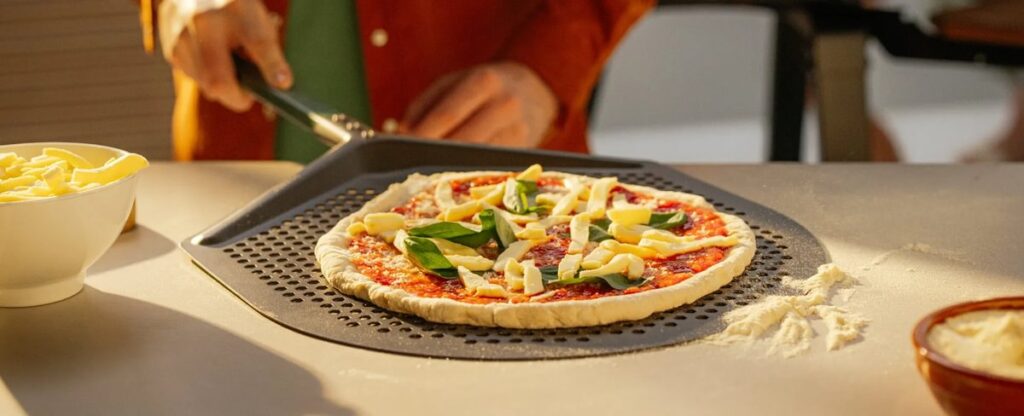
All Blogs
The Art of Launching Pizza
If you’re just starting on your pizza journey, this article is for you. The launching of a pizza is the main area where people get caught out. In fact, it’s safe to say that we can all remember a time when a pizza has stuck to the peel, and all the toppings have ended up on the floor of the oven, burning into a molten mess!
The good news is that a successful launch isn’t about luck, winging it, or brute force. It’s a skill that can be learned and perfected through practice (and making a few mistakes along the way!). With a few tips and secrets you’ll find in this article to refine your technique, you can fast-track your way to pizza perfection and be launching like a pro in no time.

Dough Condition
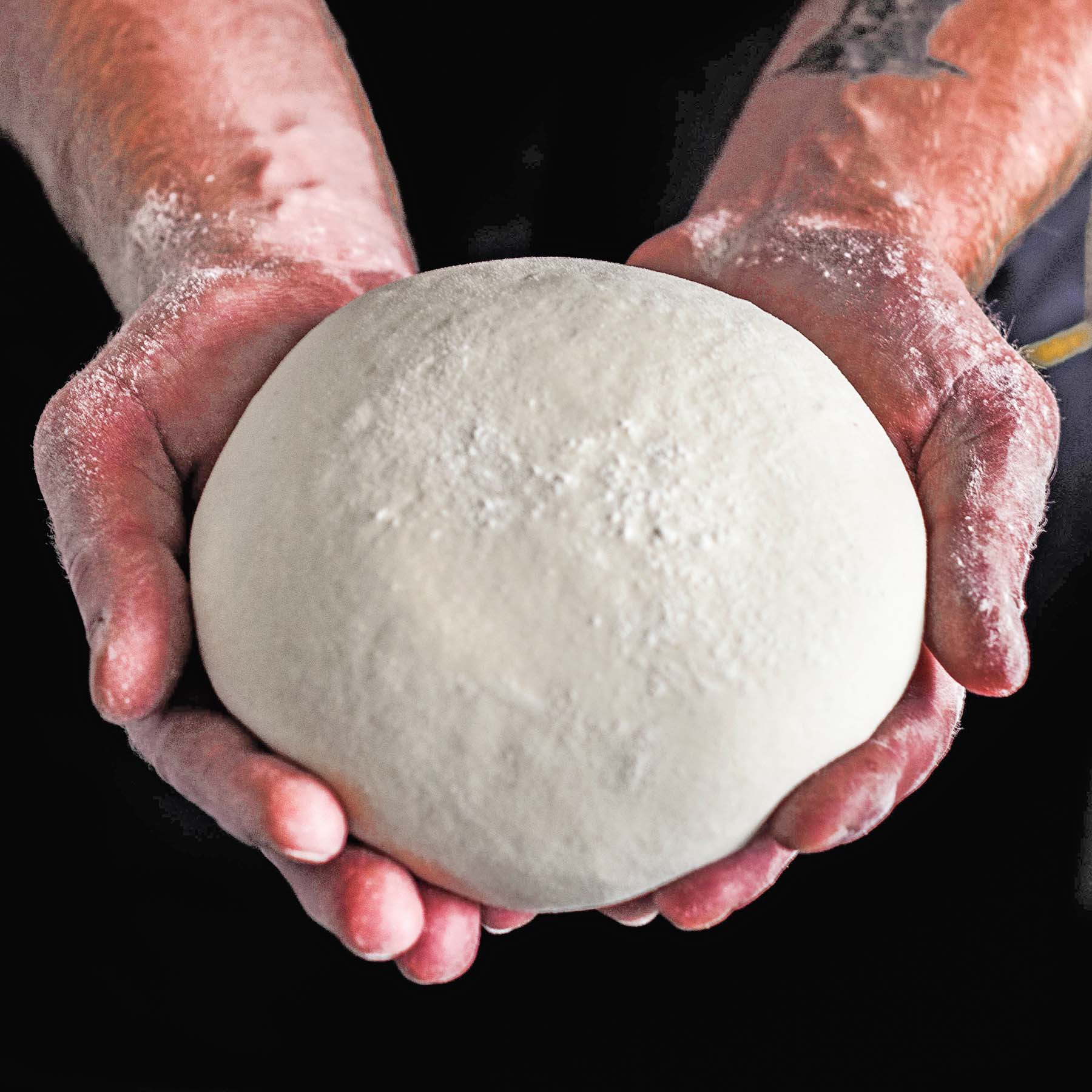
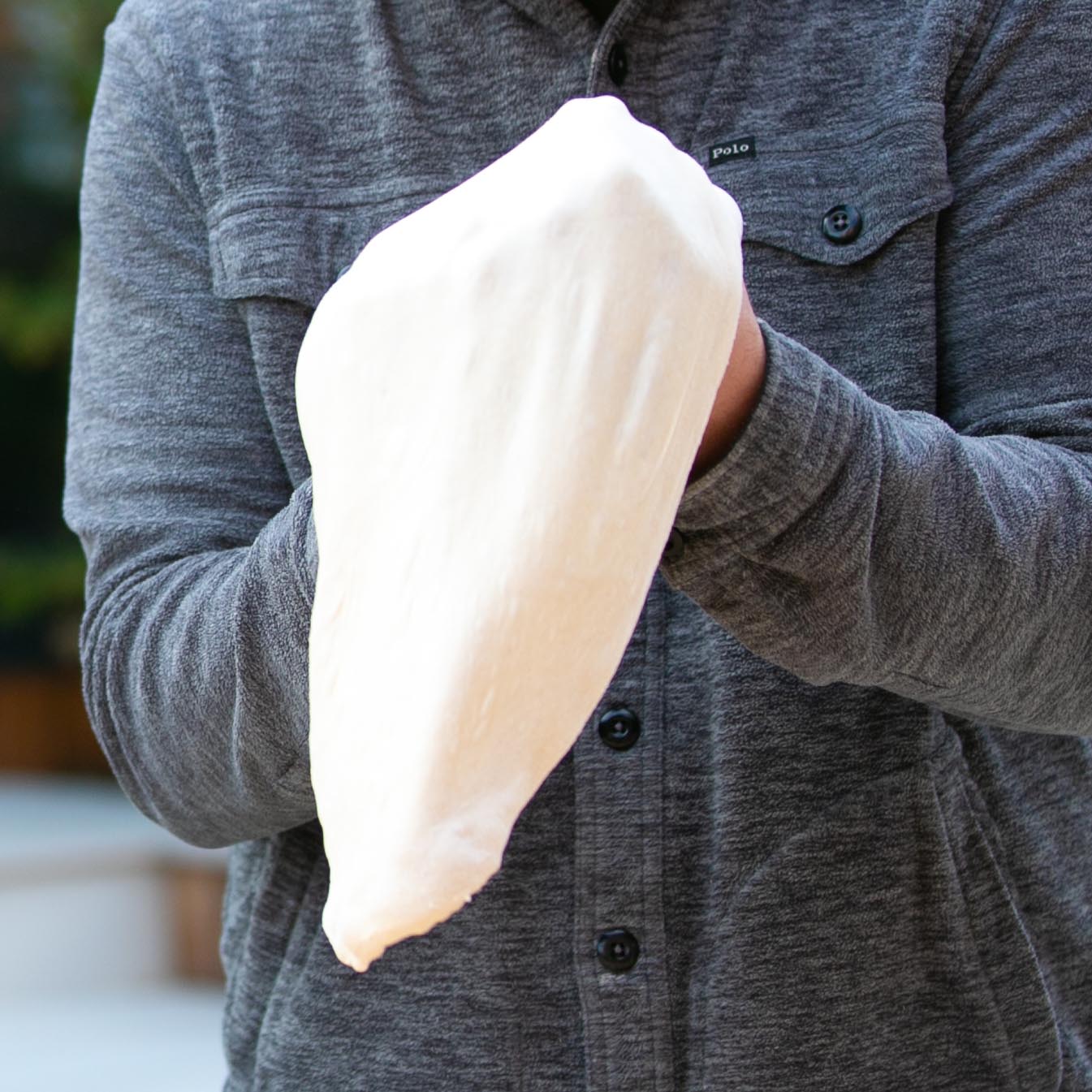
Where many people go wrong is with the dough itself. Cold dough straight from the fridge is not only more difficult to stretch, but also much more likely to stick to the peel because of moisture build-up. It’s vital to allow your dough to come up to room temperature before even attempting to stretch.
The hydration level of your dough recipe also plays a part. Higher hydration doughs are softer and lighter, but they’re also trickier to work with and demand more confidence and control when it comes to launching. When just starting out, consider choosing a dough recipe with around 55-60% hydration, rather than recipes that call for 65-70%, until you refine your technique.
Surface Prep
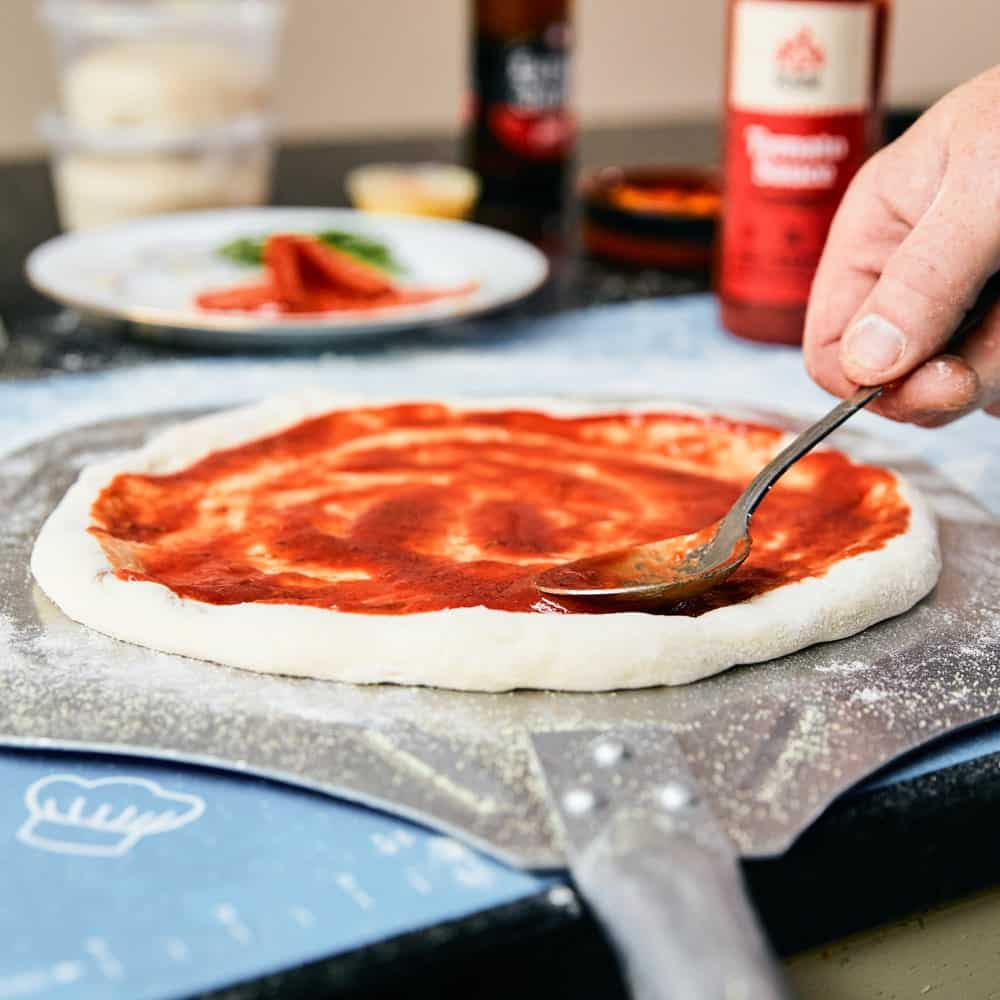
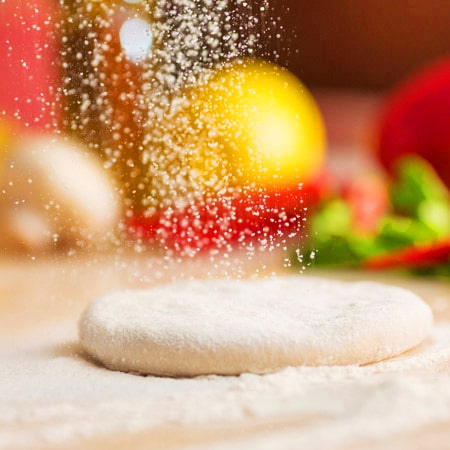
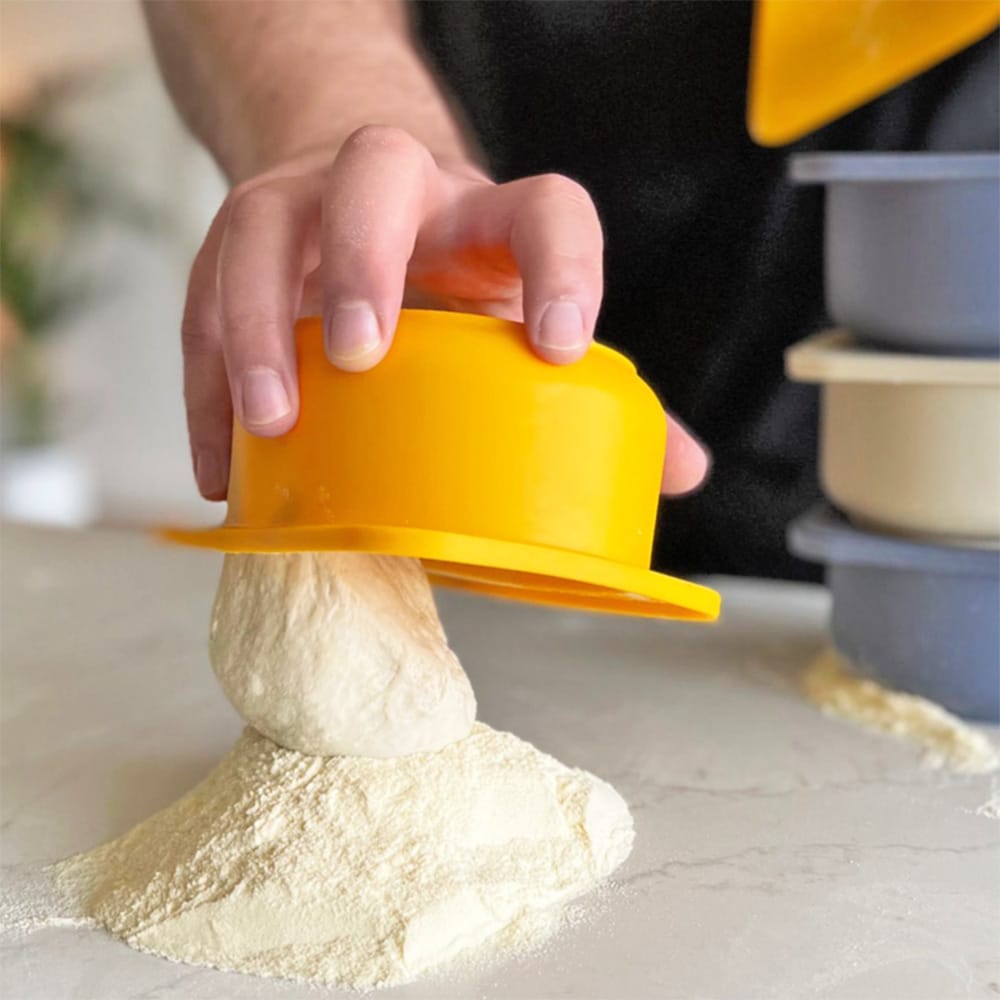
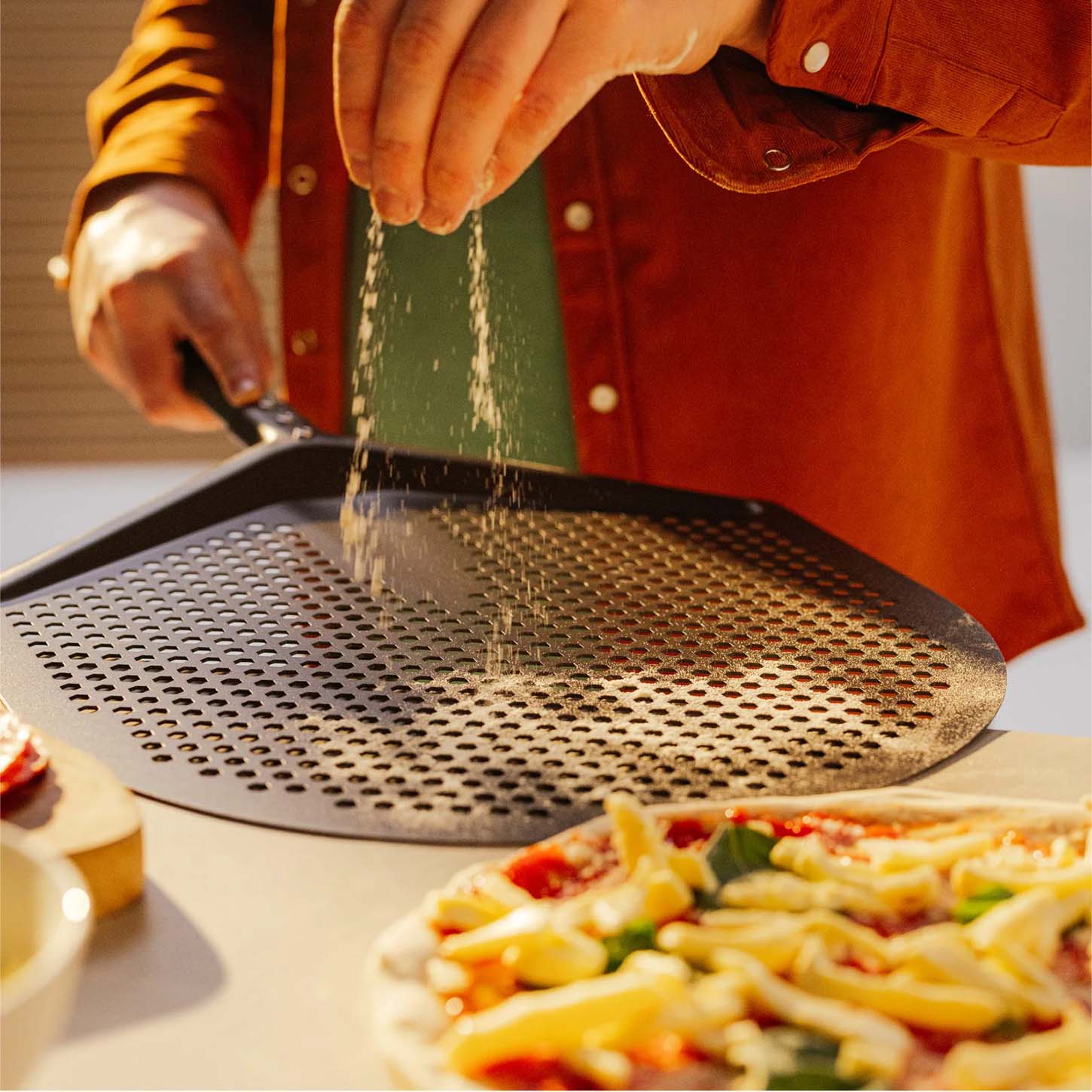
We recommend building your pizza on a working surface that’s been dusted with either flour or fine semolina (or a mix of both), rather than building directly on the peel. As well as lightly dusting the working surface, dust the dough ball itself, as well as the peel, before you move the stretched pizza across. Flour/semolina is your safety net when launching pizza, but it also needs to be used carefully. Too little, your dough can stick to the peel. Too much, you risk bitter, burnt flour on the underside of your pizza. The goal is to create just enough separation between the dough and peel to allow easy movement, without changing the composition of the dough or adding a burnt/acidic flavour.
Building & Stretching
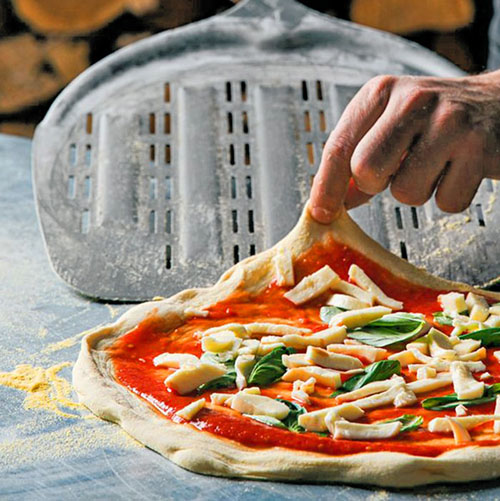
We’ve already mentioned the importance of building the pizza on a countertop rather than on the peel. This is to avoid moisture transferring from the dough to the peel, which can cause it to stick. It’s also vital not overload your pizza with too much sauce and toppings. Basically, anything that adds too much weight to the pizza can cause difficulties when launching. A light layer of sauce and cheese is perfect, then keeping to the ‘rule of three’ when it comes to toppings is recommended, even though it can be tempting to go ‘all-in’ and load it up to the max.
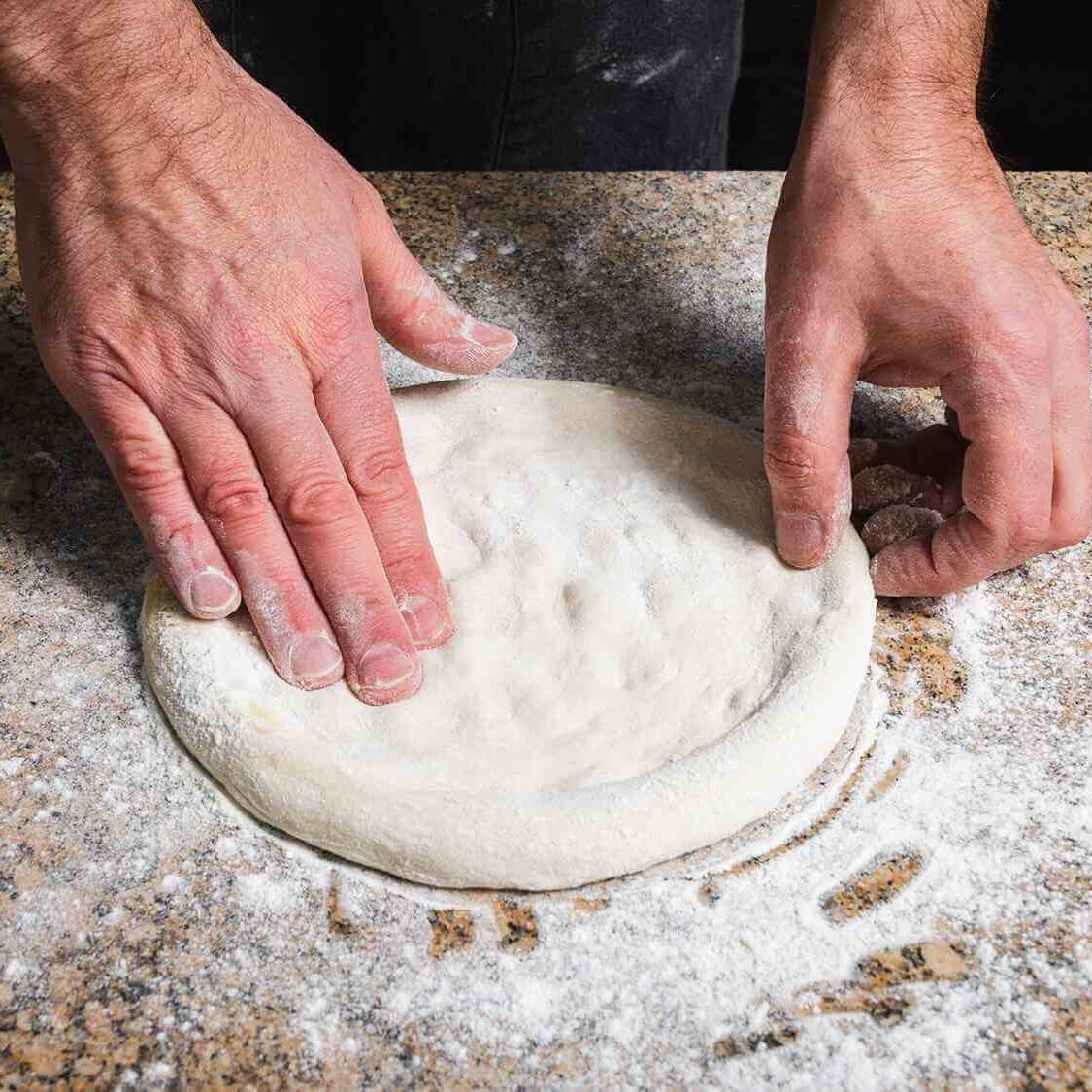
Another trade secret is not fully stretching the dough on the working surface. For example, if you want your finished pizza to be 14 inches, your initial stretch should be to 12 inches. This makes it much easier to get the pizza from the countertop onto the peel. Once it’s successfully on the peel, now stretch it out fully to the desired size.
One thing to note here though, is not to go too thin, which can cause breaks and tears in the dough and allows the sauce to seep through onto the peel. If this does happen, make sure to fix it rather than wing it and hope for the best. Pinch the dough back together, gently lift one side of the dough and throw some extra flour/semolina underneath.
Peel Choice & Shake Test
Once you’re ready to launch, give the peel a little shake. This does two things. One, it allows excess flour to fall through the perforations in your launching peel (if you’re using a perforated peel, which we highly recommend). Two, it gives you a good indication that the pizza is able to move freely or if it’s stuck. If it moves freely with little resistance, you’re all set for a successful launch. If it doesn’t move freely, lift the edge of the dough and add a small pinch of flour/semolina underneath the sticking area, then test again.
Launch Technique
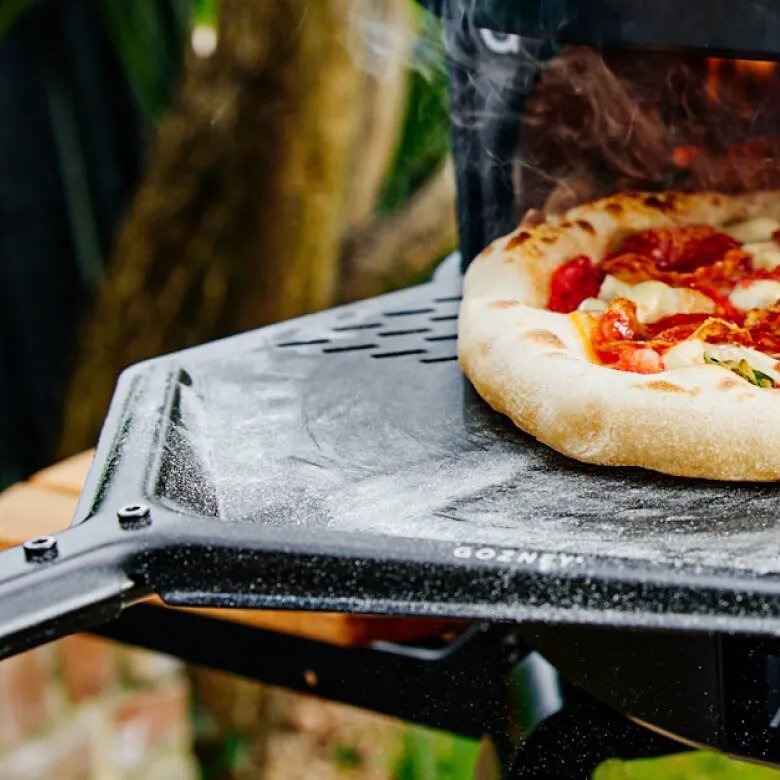
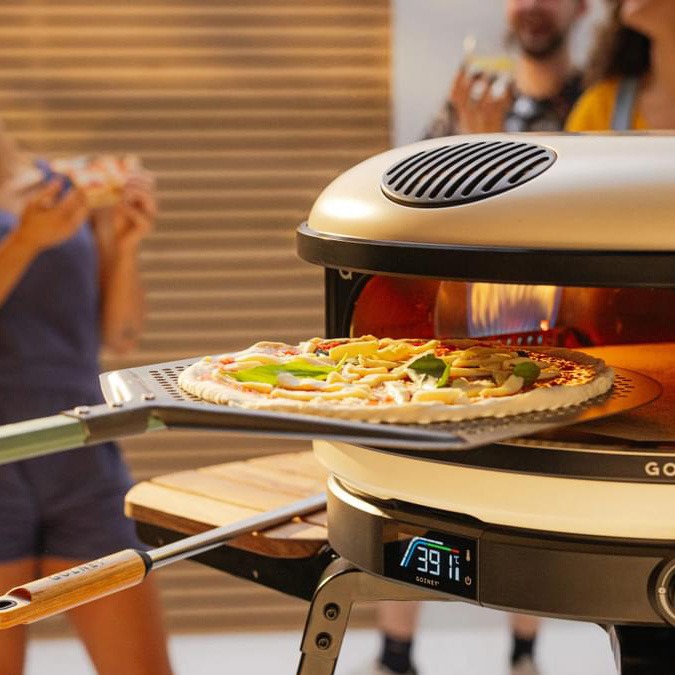
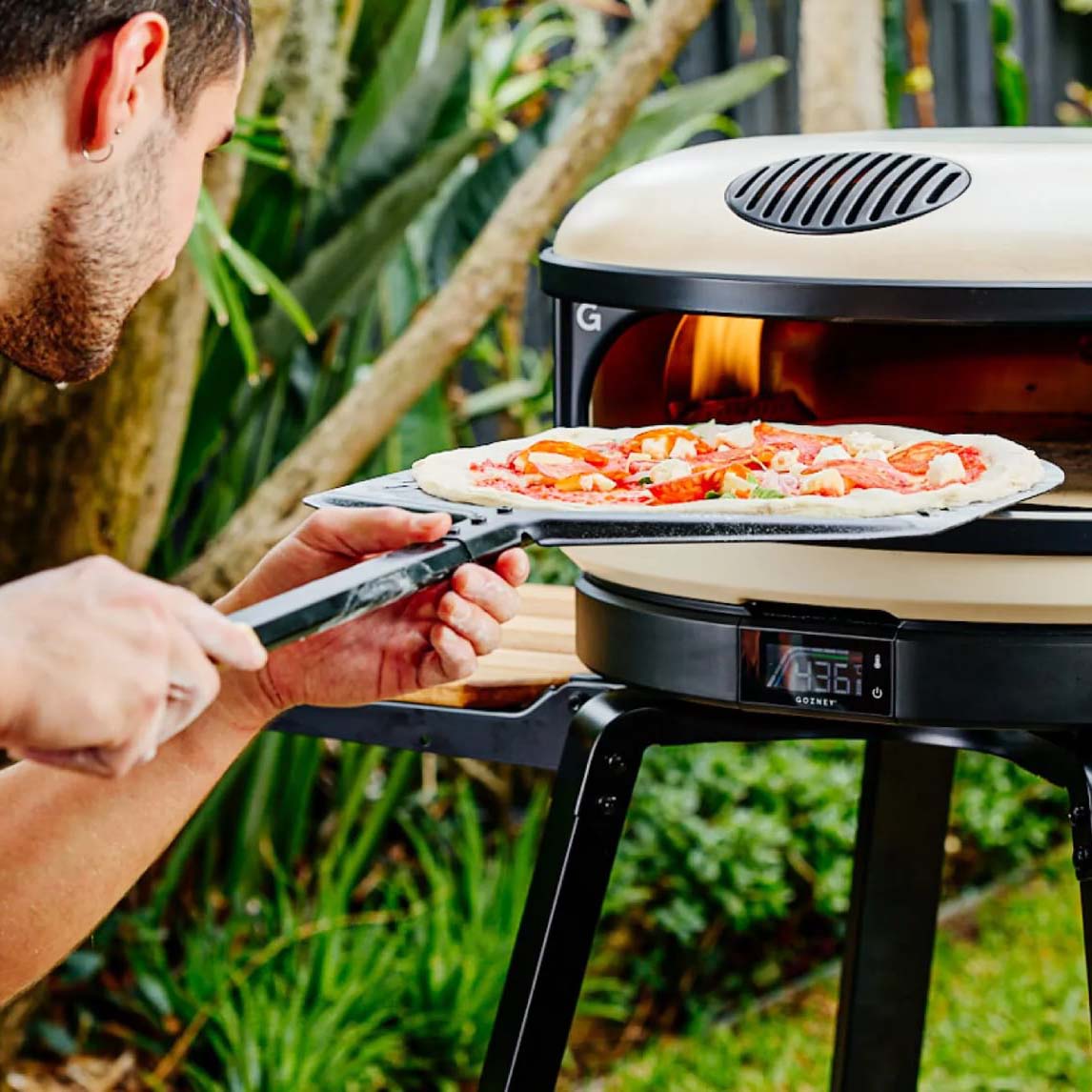
Now comes the all-important launch technique. This is the bit that takes practice, but after a few goes you’ll be launching like a true pizzaiolo! A good launch should be smooth and confident. Hold the peel at a slight downward angle and place the tip of the peel on the mid/back of the oven floor, so there’s contact between the peel and the stone. Then, use a single, quick yet controlled motion to slide the pizza off. Avoid jerky movements or sudden stops. Practising with lightly topped or smaller pizzas can help build confidence quickly.
Final Thoughts
Launching pizza is a skill that improves with practice, patience, and the right setup. Remember, the occasional mishap is part of the learning process, so don’t be discouraged if it doesn’t go perfectly every time. Focus on good dough preparation, stay organised, trust your technique and remember confidence goes a long way.
As always, if you ever need advice on choosing the right pizza oven or adding the perfect accessory to your setup, the team at The Pizza Oven Shop is always happy to help. You can reach us via our social channels, give us a call on 01423 608648, or drop us an email at sales@thepizzaovenshop.com.