Countries
 USA
USA Spain
Spain
 Showroom
All Blogs
Why Your Pizza Dough Won’t Stretch (And How to Fix It)
There’s nothing more frustrating than getting your dough onto the counter, pressing it out nicely, turning away for two seconds, and watching it shrink right back to where it started. If this has happened to you, don’t panic! It’s a really common problem, and it’s almost always down to one thing: gluten tension. The good news is it’s completely fixable. In this article, we look at what’s going on, and, more importantly, how to sort it.
Your Gluten Hasn’t Had Time to Relax
Every time you knead, fold, or shape your dough, you’re building up the gluten network, which is what gives the pizza its structure and “chew”. The problem is that past a certain point, all that gluten development makes the dough tight and elastic rather than soft and workable, and elastic dough just wants to spring back to its original shape the second you let go of it.
The fix is simple: rest the dough! Stretch the dough as far as it’ll comfortably go, then leave it alone for 10-15 minutes before coming back to it. You’ll usually find it stretches much further the second time round with barely any resistance. It’s also worth pressing and pushing the dough outward from the centre rather than pulling or tugging at the edges, which puts less strain on the gluten and gives you a more even stretch.
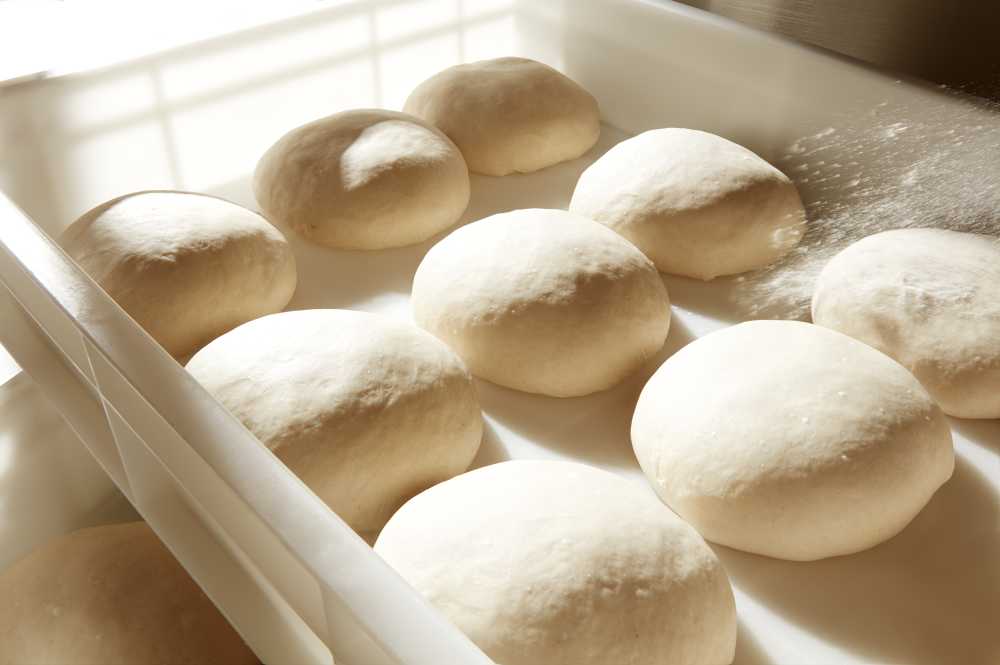
Your Dough Might Be Under (or Over) Proofed
Proofing is one of those things that’s easy to rush, but it makes a big difference to how your dough behaves. Underproved dough tends to be dense and tight, and it’ll fight back when you try to stretch it. Overproved dough goes the other way. It gets fragile and can tear or collapse rather than stretch smoothly.
The fix is mostly about timing. If your dough’s been in the fridge, don’t go straight into stretching. Instead, give it a proper time out of the fridge to come near to room temperature. An hour or so should do it, but it’s really important to keep the dough covered so it doesn’t form a crust from exposure to the air.
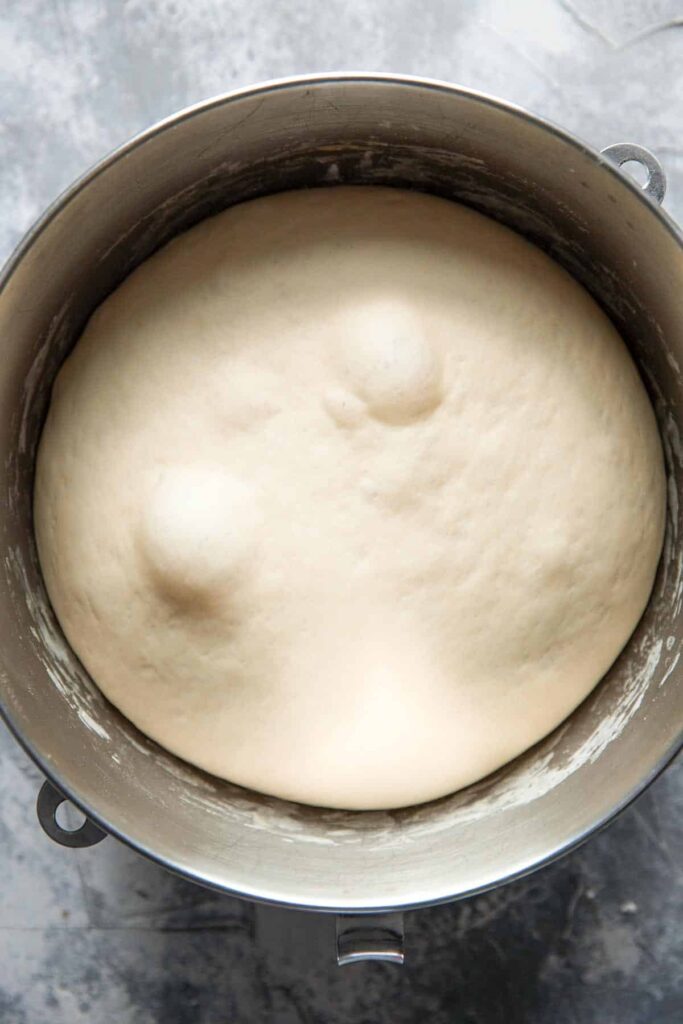
Hydration Level Matters
Sometimes the issue isn’t technique at all, rather, it’s your ingredient ratios. Standard bread flour with a lower protein content can behave almost like rubber compared to a proper pizza flour like a ‘00’ flour, simply because the protein (and therefore gluten) content is different. If you’ve tried everything else and your dough still won’t cooperate, it might genuinely be worth switching out to a different type of flour. We recommend Dallagiovanna La Napoletana Flour ’00’.
Hydration plays a big part too. Doughs with a bit more water in them tend to stretch out more easily, even though they can feel stickier and trickier to handle at first. It’s a trade-off, but one that’s usually worth it once you get used to working with a wetter dough. We usually aim for around 62% hydration for our dough, which is a great balance in terms of workability and structure.
Final Thoughts
If your dough keeps springing back on you, it’s not a sign you’re doing something fundamentally wrong, it’s just the gluten telling you it needs a bit more time. Rest it, don’t rush the proof, and make sure you’re using a flour that’s actually suited to pizza, and you’ll solve the vast majority of stretching problems. If you’re still struggling, it might be worth trying a different flour or upping the hydration percentage slightly.
If you’d like to learn more about the range of pizza ovens we sell here at The Pizza Oven Shop, or have any questions you need answering, our friendly team is here to help. You can reach us via our social channels, give us a call on 01423 608648, or drop us an email at sales@thepizzaovenshop.com.